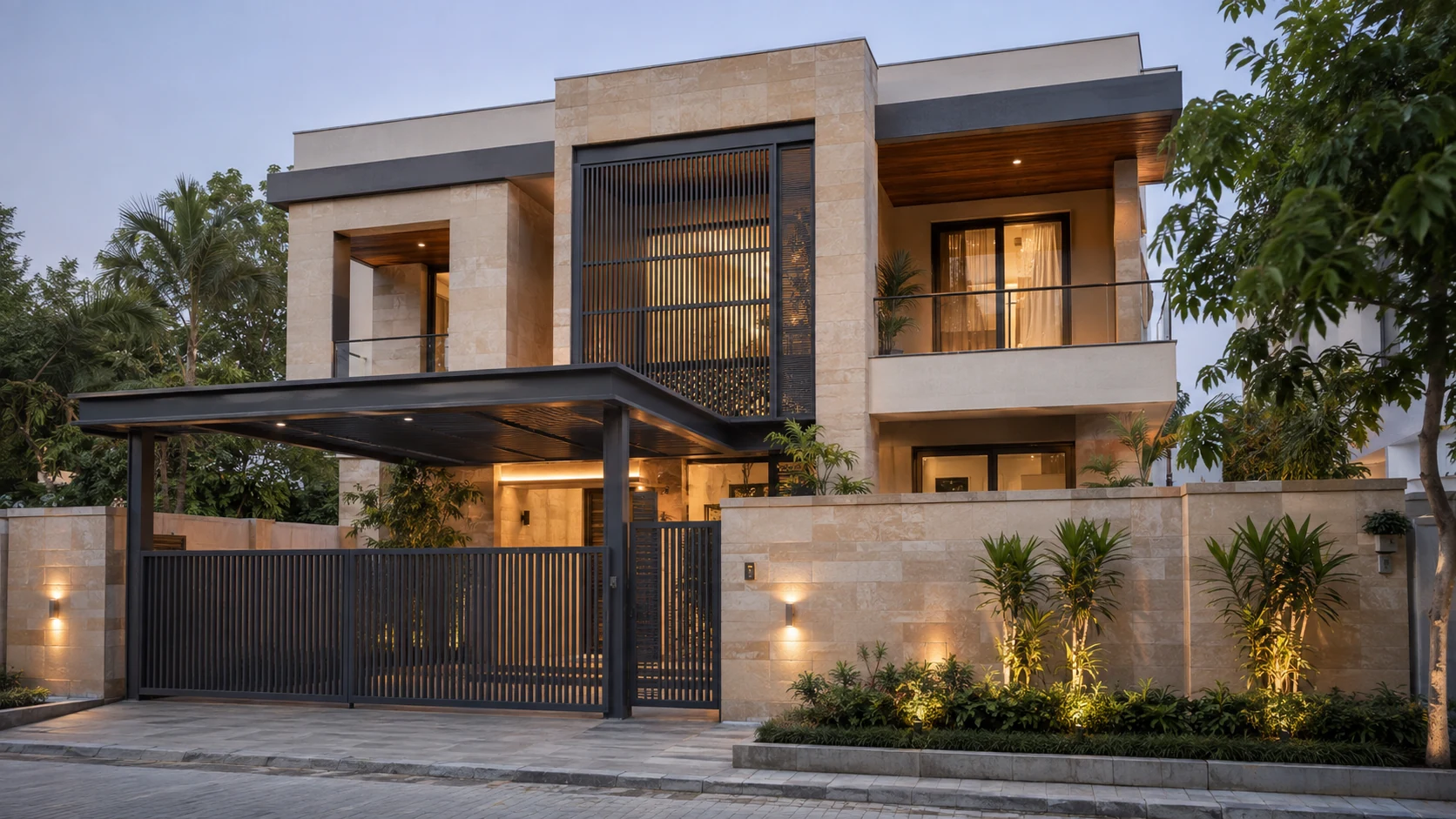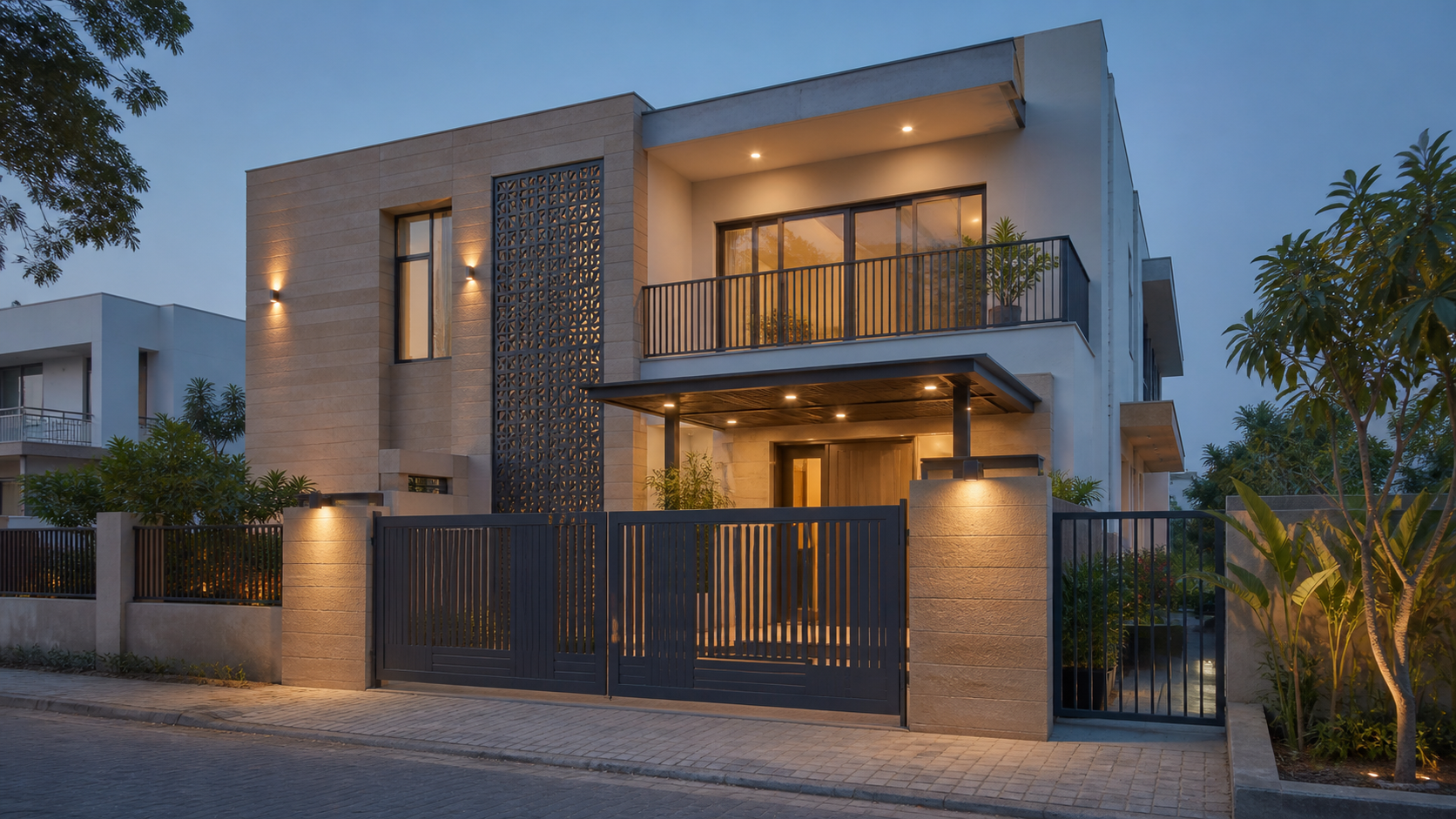
A thoughtfully designed exterior does more than make a home look attractive. It creates the first impression, improves privacy and security, protects the building from local weather and gives the property a clear architectural identity.
For Indian homeowners, exterior planning also involves practical considerations such as dust, heat, monsoon rain, maintenance, available space and access to local fabrication services. The best design is therefore not simply the most decorative option—it is the one that works naturally with the home, location and lifestyle.
1. Begin With the Architecture of the House
Every exterior element should feel connected to the building rather than added as an afterthought.
A contemporary home generally works well with clean lines, restrained geometric patterns and a limited material palette. A traditional or regionally inspired house may accommodate warmer colours, decorative metalwork and more detailed forms.
Before selecting individual products, identify the dominant character of the building:
- Contemporary and minimal
- Warm modern
- Industrial
- Traditional
- Tropical
- Luxury residential
This direction will help maintain consistency across the gate, railing, façade, canopy and other exterior elements.
2. Choose an Entrance Gate That Balances Design and Function
The main gate is usually the most visible metal element of a residential exterior. Its design should complement the width, height and proportions of the entrance.
Sliding gates can be useful where sufficient space is available along the boundary wall. Swing gates may suit wider plots where the opening path remains unobstructed.
Consider the following points:
- Available opening width
- Vehicle movement and turning space
- Privacy requirement
- Manual or automated operation
- Structural weight
- Wind exposure
- Drainage around the track
- Ease of cleaning and maintenance
A visually heavy gate can overpower a narrow façade. Similarly, an excessively open design may not provide the privacy required by the household.
3. Use Façade Screens With a Clear Purpose
Architectural screens can introduce texture, depth and shade to an otherwise plain elevation. They may also help reduce direct sunlight, partially screen windows or create privacy around balconies and staircases.
However, the screen pattern should remain practical. Extremely fine patterns can collect dust and become difficult to repaint, while dense panels may reduce daylight and ventilation.
A successful façade screen should consider:
- Desired level of visibility
- Direction of sunlight
- Ventilation requirements
- Cleaning access
- Panel size and support system
- Material expansion
- Long-term coating performance
The screen should enhance the architecture without appearing like an unrelated decorative layer.
4. Prioritise Safety in Balcony Railings
Balcony railings must be selected with safety and durability as the first priorities. Appearance is important, but it should never compromise appropriate height, secure fixing or practical member spacing.
Vertical patterns are often suitable for modern homes because they create a clean visual rhythm and avoid unnecessary horizontal climbing elements.
Before fabrication, confirm:
- Railing height
- Spacing between members
- Structural support
- Edge and corner treatment
- Mounting method
- Child-safety requirements
- Applicable local building regulations
A qualified professional should approve the final dimensions and installation details.
5. Plan Pergolas According to Climate and Use
A pergola can transform a rooftop, terrace or garden into a more defined outdoor space. The appropriate design depends on how the area will be used.
An open pergola creates partial shade and a strong architectural frame. A covered system offers greater weather protection but requires careful planning for drainage, wind load and heat.
Consider:
- Rooftop structural capacity
- Sun direction
- Rainwater drainage
- Wind exposure
- Waterproofing
- Lighting and electrical provisions
- Maintenance access
- Desired amount of shade
For Indian conditions, materials and finishes should be chosen with heat, dust and seasonal rainfall in mind.
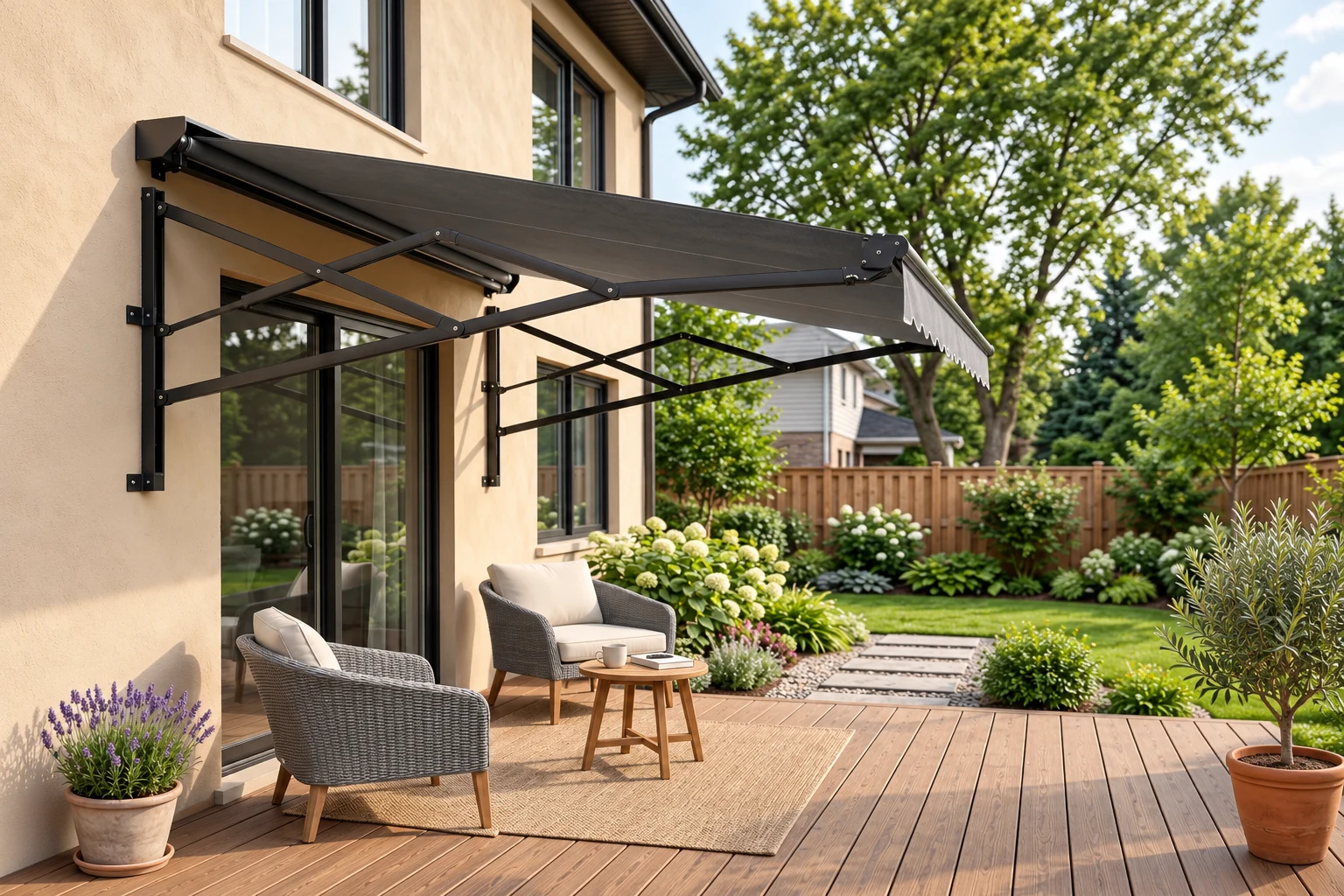
6. Select Canopies for Protection and Proportion
Entrance and parking canopies should provide useful protection without making the building entrance feel visually heavy.
The depth and angle of a canopy affect how effectively it protects against sunlight and rain. Its supporting structure must also be coordinated with the building instead of being decided only after construction.
Good canopy planning includes:
- Required covered area
- Drainage slope
- Gutter and outlet location
- Structural supports
- Wind resistance
- Lighting integration
- Connection with the main façade
Transparent or translucent roofing materials can admit daylight, but their heat performance and cleaning needs should be considered.
7. Choose Materials for Local Conditions
Material selection influences appearance, cost and long-term maintenance.
Mild steel
Mild steel offers flexibility for custom fabrication and is widely available. It requires proper surface preparation, anti-corrosion protection and a suitable exterior-grade coating.
Aluminium
Aluminium is comparatively lightweight and corrosion-resistant. It can be useful for screens, louvers and selected exterior applications where lower structural weight is preferred.
Stainless steel
Stainless steel can provide good durability, but its grade and finish should be selected according to the environment. Poor-quality material may still stain or corrode.
Wood-finish metal
Wood-finish aluminium or coated metal can introduce visual warmth with less maintenance than natural timber. The quality of the finish plays an important role in its long-term appearance.
8. Keep the Exterior Material Palette Controlled
Using too many colours, patterns and materials can make an elevation appear fragmented.
A balanced exterior often uses:
- One dominant wall material
- One secondary texture
- One principal metal finish
- One restrained accent colour
For example, warm stone, off-white walls and charcoal metalwork can create a calm contemporary composition. Bronze or wood-toned accents may then be used selectively to add warmth.
9. Understand Maintenance Before Finalising a Design
Every exterior element is exposed to dust, moisture, sunlight and pollution. Maintenance should therefore be considered during the design stage.
Ask practical questions:
- Can every surface be reached for cleaning?
- Are there areas where water can collect?
- Can damaged panels be removed independently?
- How frequently will repainting be required?
- Are replacement fittings locally available?
- Will automation components remain accessible?
A simpler design that can be maintained properly may perform better than an intricate design that becomes difficult to clean or repair.
10. Use Design References as a Starting Point
Reference images help homeowners compare proportions, patterns, colours and materials. However, an image should not be copied directly without considering the actual property.
The final solution must respond to:
- Site measurements
- Structural conditions
- Budget
- Climate
- Privacy
- Local regulations
- Fabrication methods
- Personal preferences
Use references to communicate direction, then work with qualified designers, engineers and fabricators to adapt the idea safely.
Creating a Cohesive Exterior Direction
A successful residential exterior does not depend on one striking product. It emerges when the gate, façade, railings, screens, canopy, landscape and lighting feel like parts of the same visual system.
HEBE Exterio helps homeowners explore curated exterior references, compare architectural directions and save ideas for future planning. These references can make conversations with designers and fabricators clearer and more focused.
Explore gates, railings, façades, pergolas, canopies and architectural screens on HEBE Exterio—and begin shaping an exterior direction suited to your home.
HEBE Exterio provides design inspiration and planning references. Final structural, safety, fabrication and installation decisions should be confirmed by qualified professionals.
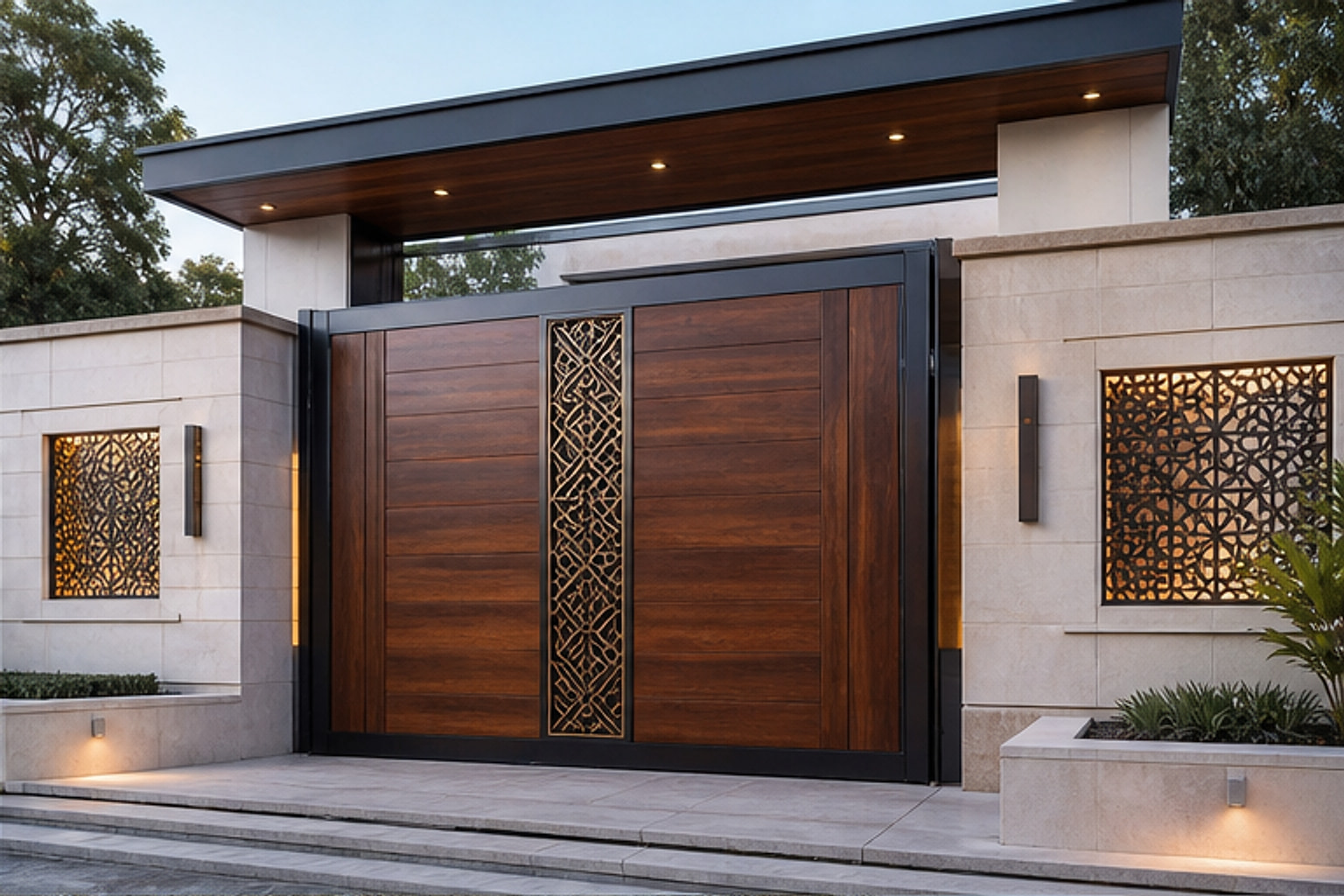 Luxury Wooden Fusion Gate
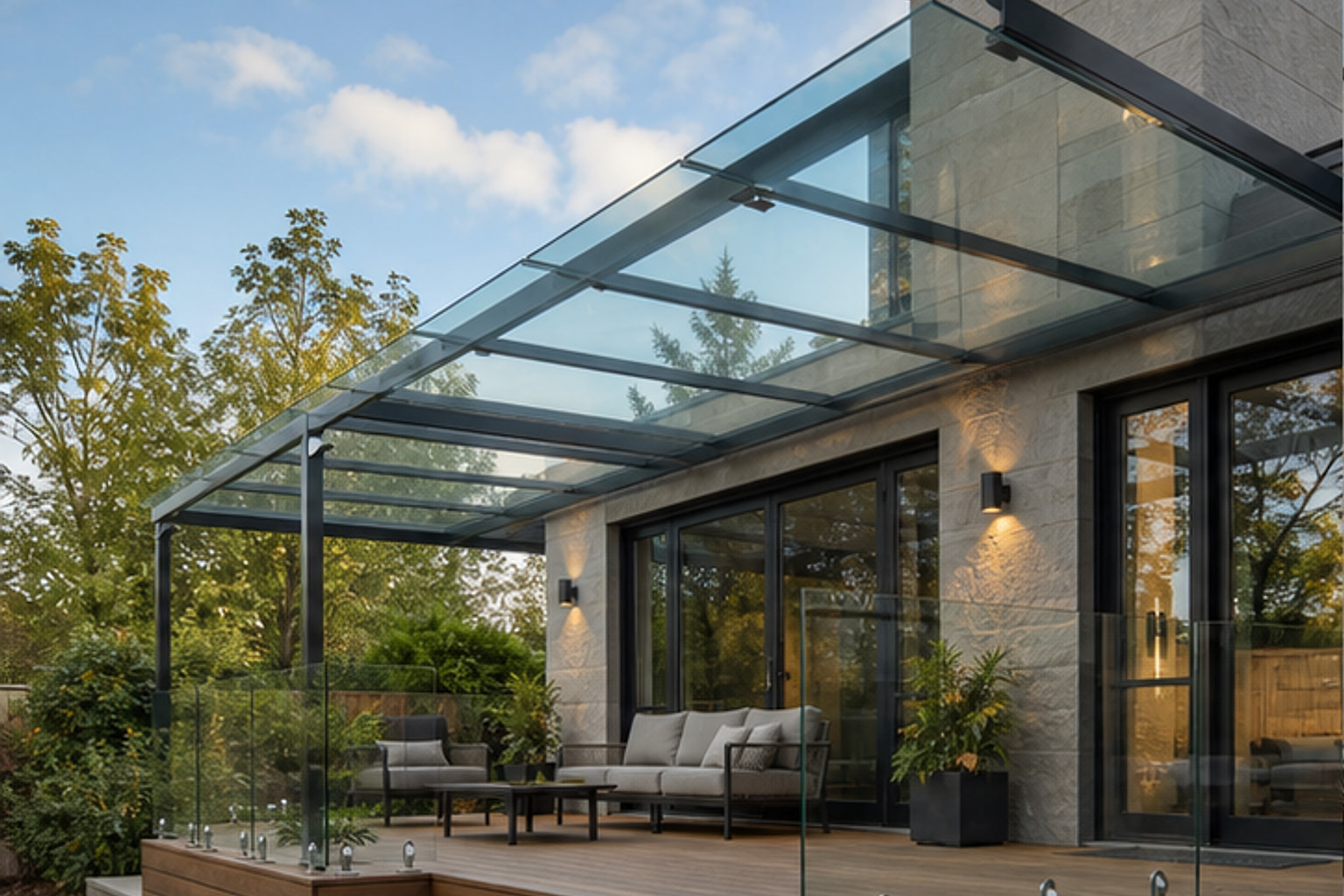 Glass Deck Canopy
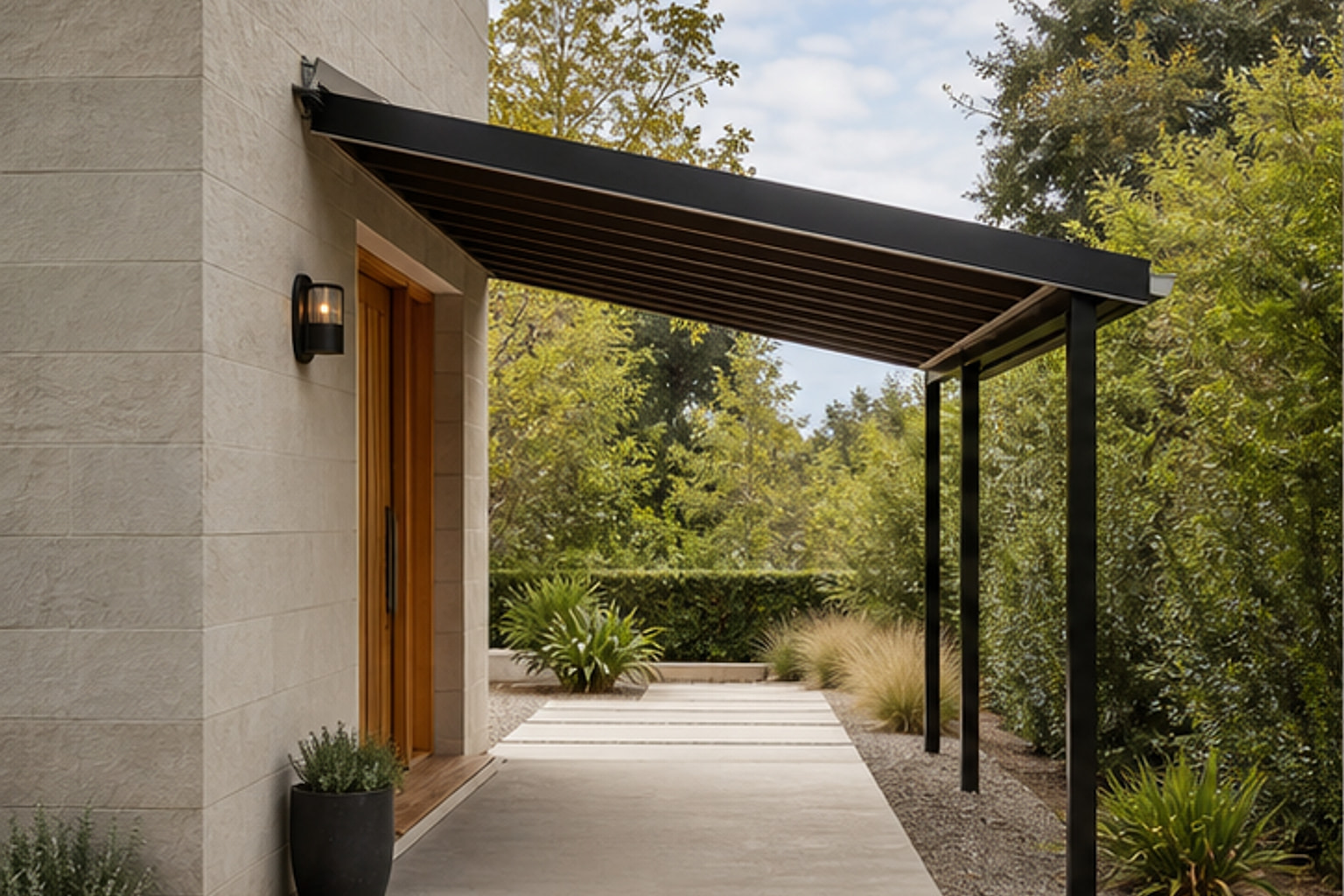 Minimalist Lean-to Canopy
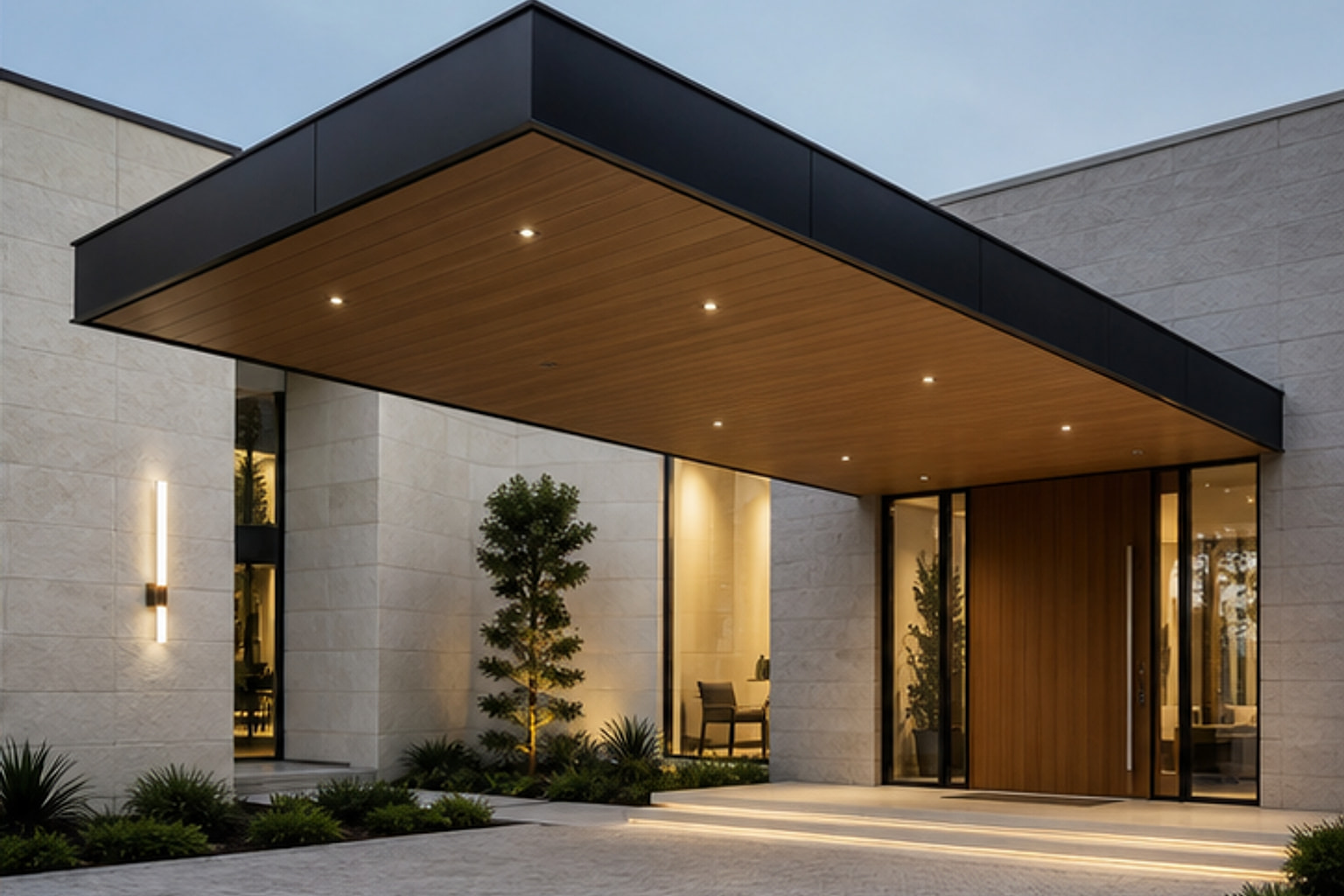 Grande Cantilever Canopy
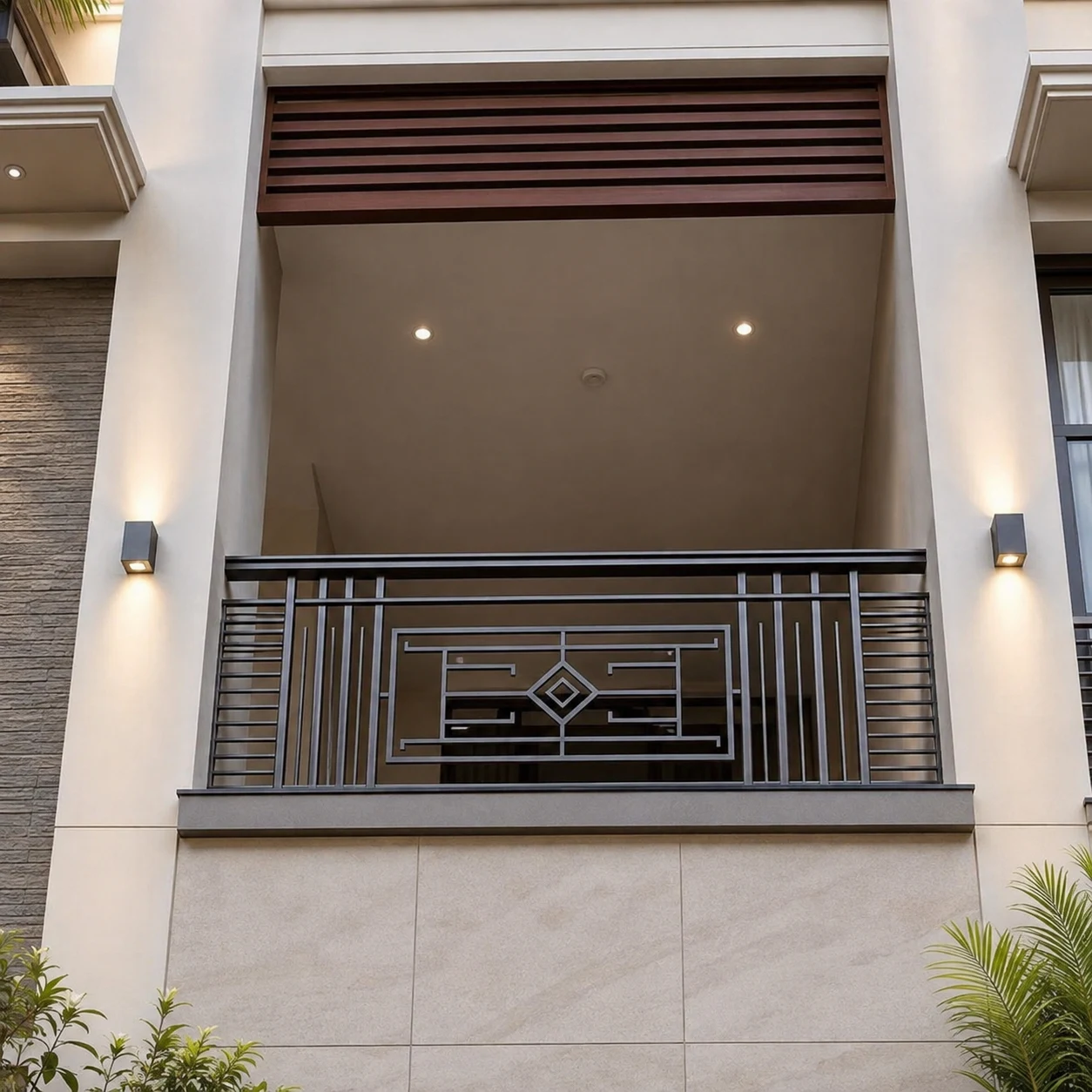 Premium Modern Balcony Railing Design