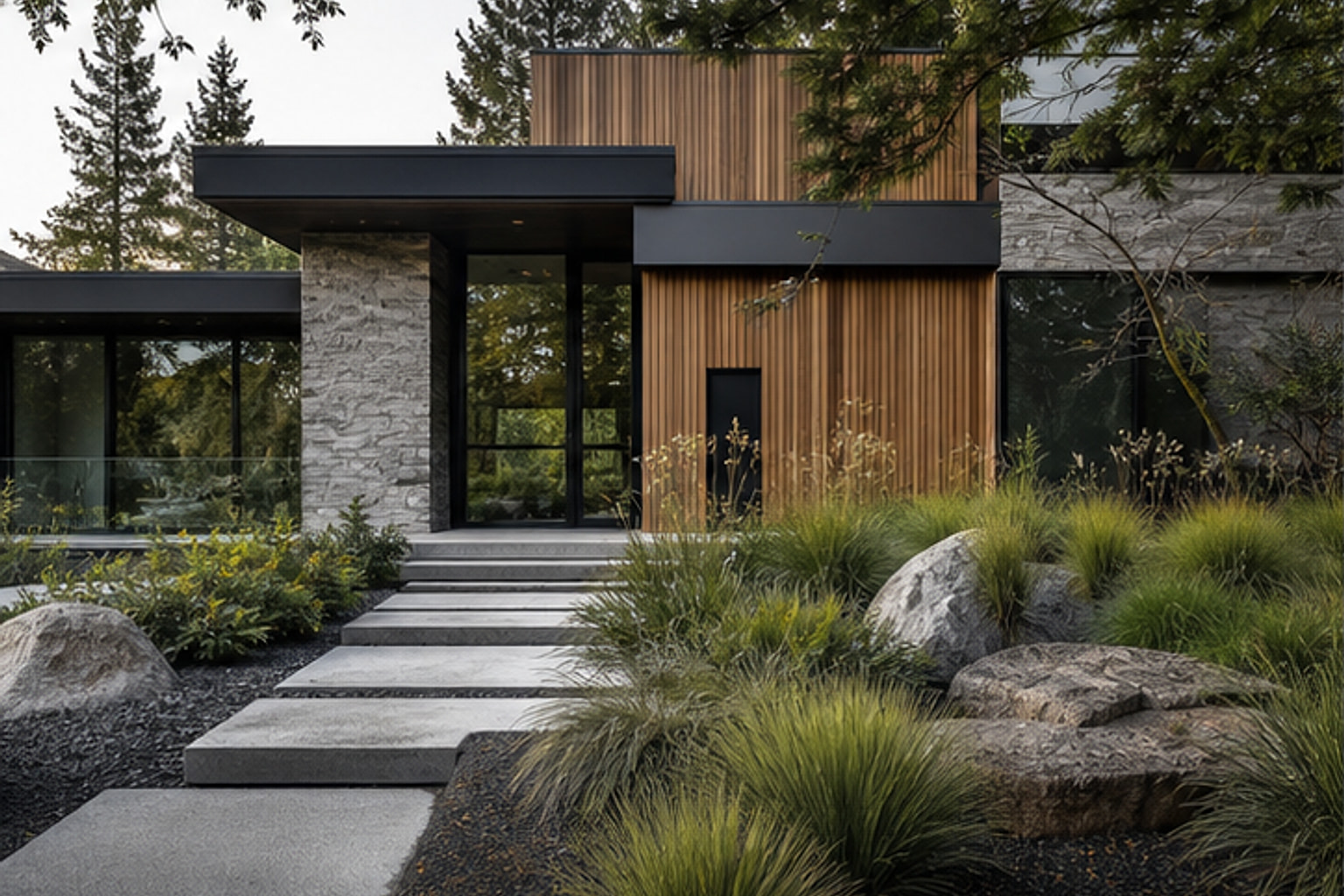
An awning can make a patio, balcony or entrance more comfortable by reducing direct sun and providing limited weather protection. The right choice depends on the opening, orientation, exposure and how the shaded space will be used.
Fixed or retractable patio awning?
A fixed awning has a permanent frame and a consistent profile. It can suit entrances and outdoor zones that need regular shade, but its slope, drainage and wind exposure need to be resolved from the beginning.
A retractable awning can extend when shade is required and close when the area should remain open. Manual systems are simpler, while motorised systems need protected electrical connections, controls and accessible maintenance points. Retraction does not remove the need for structural checks or responsible use during severe weather.
Choose the projection and mounting position
Start with the area that actually needs shade rather than selecting an awning by appearance alone. Note the sun direction at the times the patio is normally used, then consider projection, mounting height, walking clearance and the position of doors, windows, lights and drainage pipes.
The supporting wall or frame must be suitable for the proposed fixings. Cladding, insulation or a decorative facade layer should not be treated as the structural support without verification.
Compare common awning materials
Outdoor fabric
Purpose-made awning fabric can provide lightweight shade and a softer architectural appearance. Compare colour fastness, water resistance, cleaning requirements and the availability of replacement fabric.
Polycarbonate panels
Polycarbonate can provide a more permanent translucent cover. The specification should account for heat, expansion, panel support, edge sealing and rainwater discharge.
Metal sheets or louvers
Metal covers and louvers can create a crisp contemporary profile. Their weight, corrosion protection, noise during rain, ventilation and maintenance access should be considered during planning.
Plan for rain, wind and heat
An awning should have enough fall to move water toward a controlled edge. Gutters and outlets must discharge safely without staining the facade or creating slippery areas below.
Wind exposure varies greatly between sheltered patios, upper-floor balconies and open terraces. Frame size, brackets, fasteners and operating limits should be checked for the actual location. Retractable awnings should be closed when conditions exceed the manufacturer's guidance.
Dark surfaces may absorb more heat, while some translucent materials can create glare or a greenhouse effect. Compare shade quality and daylight at the site before finalising the material.
Contemporary awning design ideas
- Coordinate the frame colour with window, railing and facade finishes.
- Keep brackets and wiring visually organised instead of hiding access points needed for maintenance.
- Use a restrained fascia profile for a cleaner modern elevation.
- Align the awning with existing architectural lines where practical.
- Plan lighting separately so fittings remain serviceable and do not overheat the cover.
Patio awning planning checklist
- Measure the opening, required shade area and safe headroom.
- Record sun direction, prevailing wind and rain exposure.
- Confirm that the wall or supporting structure can accept the fixings.
- Decide between fixed, manual retractable and motorised operation.
- Plan roof fall, gutters and water discharge.
- Compare fabric or panel maintenance and replacement options.
- Check clearances around doors, windows, lights and services.
- Confirm electrical safety for motors, sensors and lighting.
- Review local permissions and society rules where applicable.
- Obtain final structural, fabrication and installation advice from qualified professionals.
Frequently asked questions
Is a retractable awning suitable for every patio?
No. Suitability depends on the supporting structure, available mounting height, required projection and weather exposure. A site-specific assessment should be completed before fabrication or installation.
Does an awning provide complete rain protection?
Not always. Performance depends on the material, pitch, seams, side exposure and drainage. Many fabric awnings are primarily intended for shade and light weather rather than severe rain or wind.
How much maintenance does an awning need?
Maintenance varies by material and mechanism. Regular checks typically include cleaning the cover, inspecting brackets and fasteners, clearing drainage paths and servicing moving or electrical parts according to the manufacturer's instructions.
Use the [contemporary patio awning design collection](/category/24-awning-frames) to compare visual references, including a [modern retractable patio awning](/design/77-modern-retractable-patio-awning-for-outdoor-shade). Treat each image as planning inspiration and confirm the final dimensions, structure, materials and local requirements with qualified professionals.
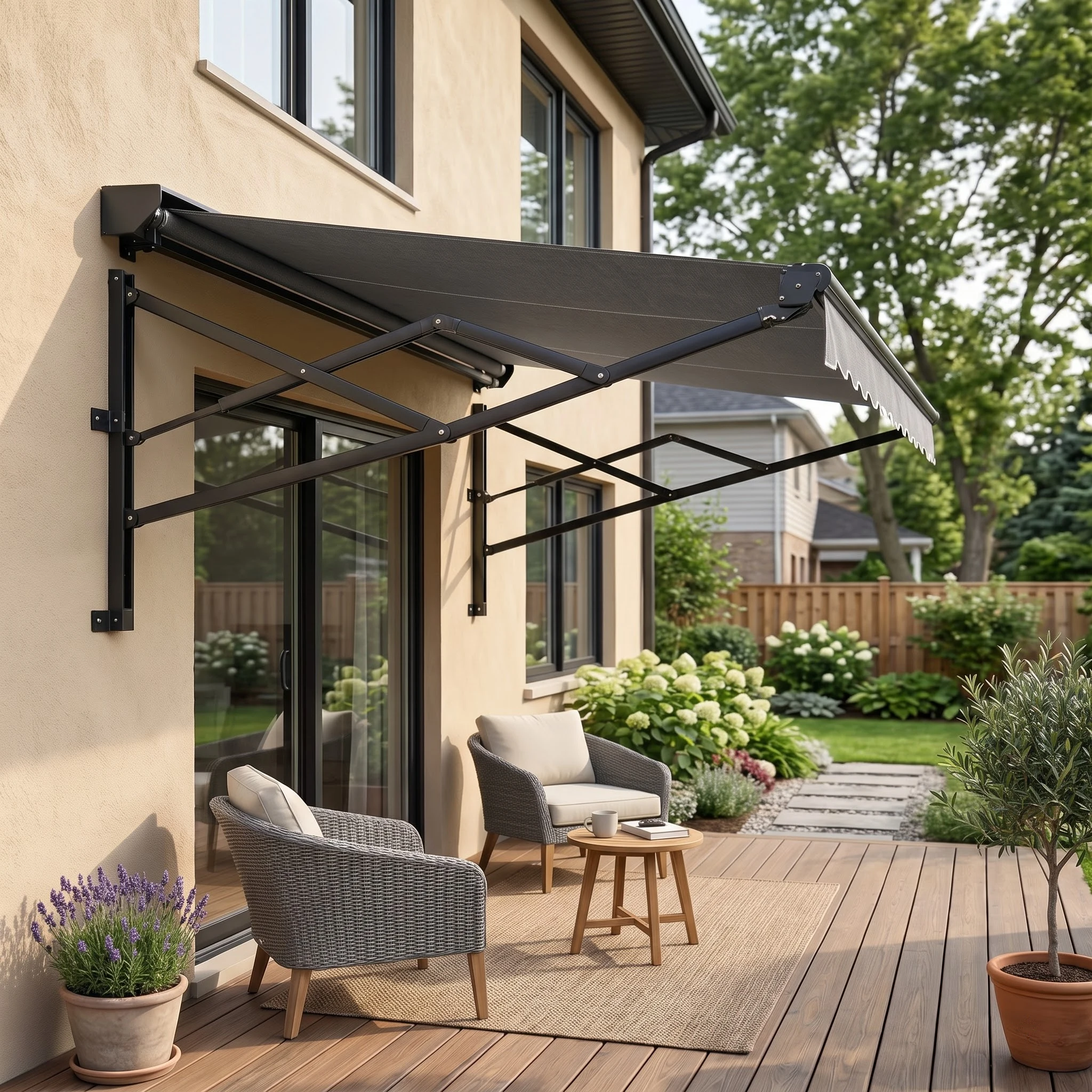 Modern Retractable Patio Awning for Outdoor Shade